July 13, 2026
In today's rapidly evolving transportation landscape, specialty towing services play a crucial role that extends beyond conventional car towing. While many are familiar with the image of a tow truck hauling a broken-down car, the reality is that towing services encompass a much broader spectrum. Specialty towing services cater to a variety of unique and complex towing needs, from motorcycles and boats to heavy-duty industrial machinery. As different segments of the industry continue to require diverse towing solutions, the importance of specialty services becomes increasingly evident. This article will explore the depth and breadth of these services, highlighting their significance across various sectors.
Understand Specialty Towing Services
Specialty towing services refer to towing activities that go beyond the simple task of moving standard automobiles. These services are needed for vehicles and equipment that demand special handling, specific equipment, and a high degree of expertise. The scope of specialty towing can include the transportation of motorcycles, boats, heavy-duty trucks, exotic cars, and even large industrial machinery. This broad array of services ensures that all vehicular towing needs are met, no matter how challenging or unusual the situation. Consequently, specialty towing operators must possess a combination of technical skills and specialized equipment to manage these diverse requirements effectively.
The transportation industry is fundamentally reliant on the operational integrity of various vehicle types and equipment, a goal that specialty towing helps to achieve. By providing unique towing solutions tailored to the specific needs of different sectors, specialty towing services maintain the continuity and efficiency of transportation. This is particularly important for industries like logistics, agriculture, and construction, where downtime can lead to significant financial losses. According to data from IBISWorld, the United States towing sector generates an annual revenue reaching almost $11.3 billion, showcasing the massive financial footprint of the field. As industries grow and diversify, the role of specialty towing continues to expand, further cementing its importance.
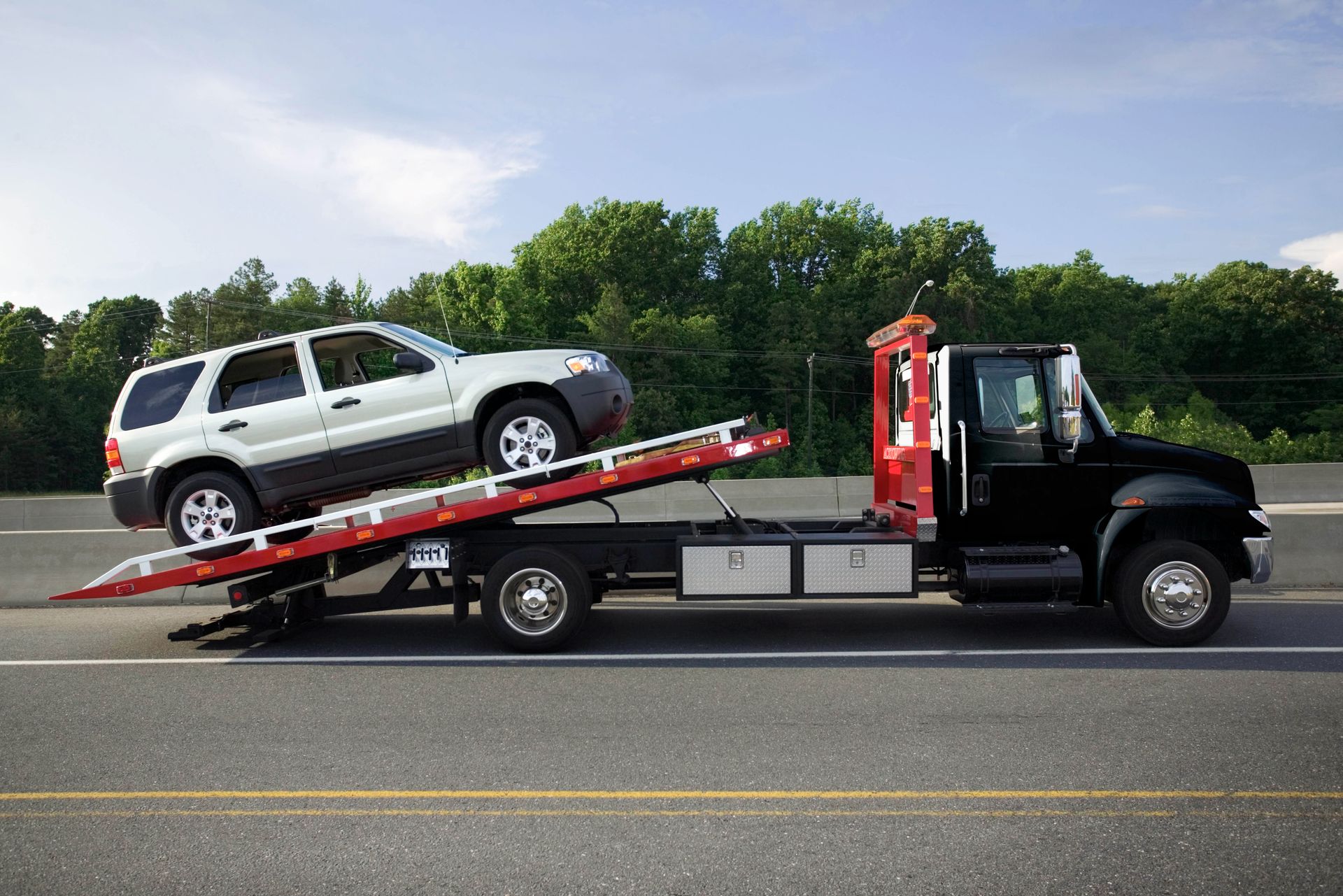
While standard towing typically involves smaller, consumer-grade vehicles, specialty towing services require a different set of skills and equipment. The primary distinction lies in the customization and scale of operations. Specialty towing often involves the use of sophisticated equipment such as flatbeds, hydraulic lifts, and heavy-duty rigs designed to accommodate larger or more delicate loads. Moreover, operators need to be trained to handle complex situations and vehicles with specific handling requirements. This specialization ensures that all aspects of the towing operation are conducted safely and efficiently, minimizing the risk of damage and ensuring successful outcomes.
Despite the complexity involved in specialty towing, several misconceptions persist about these services. One common misunderstanding is that specialty towing is just an upscale or overpriced version of regular towing. In reality, the increased costs often reflect the need for additional training, specialized equipment, and customized service offerings. Another misconception is that any general outfit can handle specialty jobs, which is far from true. Only local towing companies with the right qualifications should handle these complex tasks, reinforcing the importance of due diligence when selecting a towing service provider.
Specialty towing services are subject to stringent regulatory frameworks that ensure safety and compliance at all levels. Regulatory considerations include licensing, equipment standards, and safety certifications that towing companies must adhere to maintain operational legitimacy. These regulations are vital for safeguarding both the operators and the public, especially in cases involving the transportation of hazardous or oversized loads. Additionally, safety protocols are in place to manage the risks associated with handling diverse types of vehicles and equipment. Compliance with these guidelines is not only a legal obligation but also a testament to the professional standards upheld by reputable local towing companies.
Manage Heavy-Duty Towing Operations
Heavy-duty towing services are primarily focused on transporting large vehicles that exceed the capabilities of standard towing operations. These vehicles often include buses, recreational vehicles (RVs), and semi-trucks, all of which possess unique challenges due to their size and weight. Specialized equipment and techniques are required to safely tow these substantial vehicles without causing damage or disrupting traffic flow. The diversity in vehicle types means that operators must be adept at assessing and adapting to varying situations swiftly. As the demand for moving these large vehicles in critical sectors rises, heavy-duty towing services become an indispensable part of the logistic and transportation industries.
Heavy-duty towing requires an arsenal of specialized equipment to manage the sizeable loads typically involved. Key tools include robust tow trucks with extended boom lengths and powerful winches capable of hauling vehicles as heavy as 80,000 pounds or more. Hydraulic systems play a crucial role in maneuvering and securing loads, allowing for precise control during movements. Additionally, specialized dollies and wheel lifts are frequently used to ensure safe towing operations, even in challenging environments. The investment in such equipment reflects the complexity and scope of heavy-duty towing, making it essential for local towing companies to be well-versed in utilizing these resources effectively.
The successful execution of heavy-duty towing is heavily reliant on the expertise and training of the operators involved. The complexity of the tasks requires comprehensive training programs to be undertaken by potential operators. These programs cover a broad array of topics, from technical proficiency with equipment to emergency response techniques. Certified training ensures operators can safely manage the sophisticated machines and execute precise operations required for heavy-duty tows. Their expertise not only guarantees the mechanical integrity of the towed vehicle but also minimizes potential risks to the operators and the public. Such rigorous training contributes to the overall reliability and professionalism of local towing companies.
Secure Motorized Two-Wheeler Transports
Motorcycle towing presents unique challenges that differ significantly from towing other types of vehicles. Unlike cars, motorcycles have fewer points of contact with the road, making them susceptible to tipping or damage if not handled correctly. This requires distinctive strategies, such as securing the motorcycle with soft ties and specialized harnesses that provide stability without causing harm to delicate components. Additionally, motorcycles are lighter and more compact, which demands different considerations for balancing and securing them during transportation. Recognizing and addressing these unique requirements ensures that motorcyclists receive the care and consideration they deserve during a tow.
Effective motorcycle towing relies on specialized equipment designed to secure and transport these two-wheeled vehicles safely. Essential tools include specially modified flatbed trucks that offer a stable platform for loading motorcycles securely. Wheel chocks and tie-down straps are critical components for immobilizing the motorcycle, preventing any movement during transit that could lead to damage. Furthermore, lift gates or ramps serve as safe pathways for loading and unloading, minimizing accident risk and ensuring rider peace of mind. These purpose-built tools play a pivotal role in adapting general towing services to meet the specific needs of motorcycle owners.
Several technique enhancements are essential for securely towing motorcycles, given their unique structure and balance. Operators should be proficient in carefully positioning and anchoring motorcycles to avoid undue stress on any part of the framework. Employing adjustable tie-down points allows for greater control over load distribution, keeping the weight uniform and secure. Regular checks during transit also ensure stability is maintained and immediate adjustments can be made if necessary. These techniques minimize risks and guarantee a smooth, damage-free transportation experience for motorcycle owners. Mastery of these techniques is indispensable for any local towing companies aiming to provide reliable motorcycle transport solutions.
Adhering to best practices is fundamental to ensuring a safe and successful motorcycle towing process. Service providers should always use equipment specifically designed for motorcycles to prevent potential damage. This includes the proper use of tie-downs, wheel chocks, and ramps. Operators must have adequate training in the unique handling requirements of motorcycles to avoid incidents during transportation. Furthermore, clear communication with motorcycle owners about the towing process can alleviate concerns and provide assurance of their vehicle's safety. Observing these best practices reflects positively on local towing companies and fosters satisfaction among motorcycle owners.
Navigating the world of specialty transport requires advanced machinery, up-to-date roadside expertise, and a team that treats your assets like their own. Whether you are dealing with an unexpected roadside breakdown, require emergency roadside assistance, or need heavy equipment deliveries, having the right experts on your side makes all the difference. We specialize in everything from motorcycle towing to lockout service and tire repairs, backed by our pride as an approved AAA provider. For secure, efficient, and professional specialty transport solutions, contact Alliance Towing & Recovery to manage all your transport requirements today.